
What Makes Jooicy Tits Vodka "Premium"? The Science of Small Batch Distillation
Walk down any liquor store aisle and you will notice something funny. Almost every vodka bottle on the shelf calls itself premium. The word appears on bottles that cost twelve dollars and bottles that cost sixty. So what actually separates a premium vodka from everything else?
The honest answer has very little to do with the label and a lot to do with science. What the vodka is made from, how carefully it is distilled, and how thoroughly it is filtered all shape what ends up in your glass. Those choices decide whether a sip feels smooth and clean or harsh and hot.
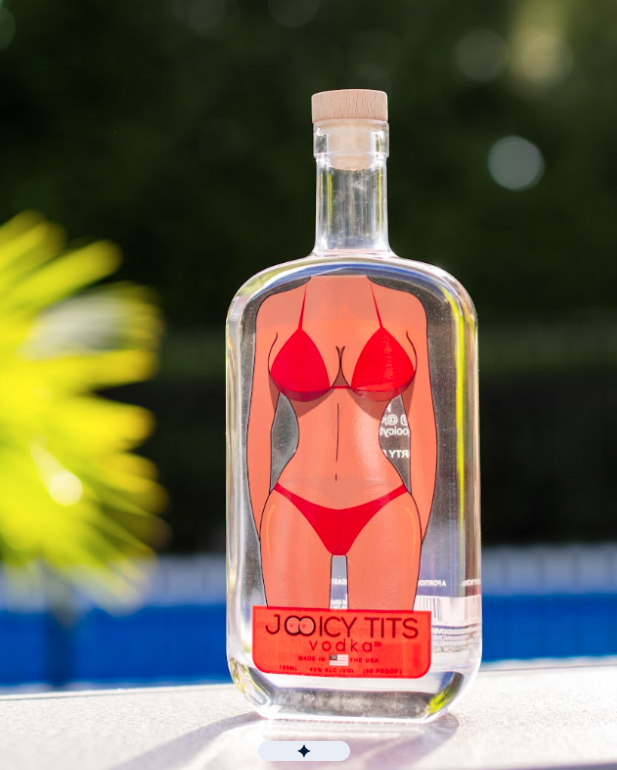
At Jooicy Tits Vodka, we make our spirit in small batches in Fort Pierce, Florida, using non GMO corn. In this guide, we will break down the science behind craft vodka and explain how the base ingredient changes flavor. We will also show why a small batch, gluten free approach makes such a big difference in quality and smoothness.
What Does Premium Vodka Actually Mean?
There is no legal definition of premium vodka in the United States. Federal rules require vodka to be a neutral spirit bottled at no less than 80 proof, and that is a fairly low bar. It leaves plenty of room for producers to cut corners on ingredients, rush production, or skip extra filtration.
Because the term is unregulated, the best way to judge a premium vodka is by the qualities you can taste:
A smooth texture without a sharp burn
A clean, crisp finish
No chemical or medicinal aftertaste
A subtle character that works neat, on the rocks, or in a cocktail
Those qualities do not happen by accident. They come from three key decisions every distiller makes: the base ingredient, the distillation process, and the filtration method.
Why the Base Ingredient Matters: Corn vs Other Bases
Vodka can be made from almost anything that contains sugar or starch. During fermentation, yeast converts those sugars into alcohol. The base ingredient determines which sugars are available and which trace flavor compounds, known as congeners, carry through into the finished spirit. Even a highly refined vodka keeps a faint signature of what it started as.
Here is how the most common bases compare.
Corn
Corn is naturally sweet and produces vodka with a soft, rounded mouthfeel. Corn based vodkas tend to taste gentle on the palate, with a subtle sweetness and very little bite. That is a big reason corn has become a favorite base for craft vodka in the United States. Corn is also naturally free of the gluten found in wheat, barley, and rye.
Wheat
Wheat is the traditional base for many European vodkas. It usually produces a clean, crisp spirit, sometimes with a light bready or peppery note. Wheat does contain gluten, which matters to some drinkers.
Rye
Rye vodkas are bolder and spicier, with more noticeable character. Some people love that spice. Others find it too sharp for a spirit that is meant to be smooth. Like wheat, rye is a gluten grain.
Potato
Potato vodka has a creamy, heavier body and a slightly earthy flavor. Potatoes are naturally gluten free, but they contain far less fermentable starch than grain. That means distillers need a lot of raw material to make a single batch.
Grapes and Other Bases
Some producers use grapes, sugarcane, or even milk. These bases can add fruity or floral notes, which makes the vodka more distinctive but less neutral.
Why We Chose Corn
For Jooicy Tits Vodka, corn was the natural choice. Its gentle sweetness gives our vodka a smoother, slightly sweeter taste than spirits made from harsher grains. Corn also lets us create a vodka that is naturally gluten free from the very first step, without relying on distillation alone to remove anything.
The Science of Small Batch Distillation
Once the base ingredient ferments, it becomes a liquid called a wash. The wash has a low alcohol content, a lot like a simple beer. Distillation is the process that turns that wash into vodka.
How Distillation Works
Distillation works because alcohol and water boil at different temperatures. Ethanol boils at roughly 173 degrees Fahrenheit, while water boils at 212 degrees. When the wash is heated, alcohol vapor rises first. That vapor is collected, cooled, and condensed back into a liquid with a much higher alcohol content.
Ethanol is not the only compound in the wash, though. Fermentation also creates other substances, and some of them are unpleasant. This is where a distiller's skill comes into play.
Heads, Hearts, and Tails
As a distillation run progresses, the liquid coming off the still changes. Distillers divide it into three parts.
The heads come off first. They contain lighter, more volatile compounds such as methanol and acetaldehyde. These can smell like nail polish remover and are responsible for much of the harsh burn in low quality spirits.
The hearts come next. This is the clean, desirable ethanol that becomes the finished vodka.
The tails come off last. They contain heavier compounds called fusel oils, which can taste oily, bitter, or stale and contribute to that rough finish you notice in cheap vodka.
The decision about where to separate each section is called making the cuts. It is one of the most important moments in the entire process.
Why Small Batch Makes a Difference
Large industrial producers typically run massive continuous systems built for volume and efficiency. In that setting, the economics favor keeping as much usable alcohol as possible from every run.
Small batch distillation takes a different approach. Because each batch is smaller, the distiller can pay closer attention to every run and make tighter, more careful cuts. That often means sacrificing some yield and setting aside more of the heads and tails to keep only the cleanest portion of the spirit. It is less efficient, but the result is a noticeably smoother vodka.
That hands on attention is what separates true craft vodka from mass market bottles. It is the difference between a spirit made to hit a production number and one made to taste right.
Six Rounds of Charcoal Filtration
Distillation does most of the heavy lifting, but filtration adds the final polish. Our vodka is charcoal filtered six times.
Activated charcoal is extremely porous. A small amount contains a massive amount of internal surface area. As vodka passes through it, remaining impurities and stray congeners cling to the charcoal through a process called adsorption. Each pass removes a little more of what you do not want to taste.
Filtering once helps. Filtering six times produces a vodka that is exceptionally crisp, clean, and smooth, with a soft finish that makes it easy to sip on its own.
Why Our Vodka Is Naturally Gluten Free and Non GMO
More people than ever are paying attention to what goes into their drinks, and for good reason.
Naturally Gluten Free
Gluten is a group of proteins found in wheat, barley, and rye. Corn does not contain the type of gluten that affects people with celiac disease or gluten sensitivity. Because we start with corn, our gluten free vodka is gluten free from the ground up.
Distillation does separate heavy proteins from alcohol, and many experts consider distilled spirits safe even when they are made from gluten grains. Still, plenty of drinkers prefer a spirit that never involved gluten grains at all. U.S. labeling rules are also stricter about gluten free claims for spirits made from gluten grains. Choosing corn removes the question entirely. If you have celiac disease, it is always smart to check flavored products and mixers too, since those can introduce gluten after distillation.
Made With Non GMO Corn
The majority of corn grown in the United States is genetically engineered. Sourcing non GMO corn is a deliberate choice that takes extra effort. For us, it is part of making a vodka we are proud to put our name on, from the raw ingredients to the final pour.
Crafted in Fort Pierce, Florida
Every bottle of Jooicy Tits Vodka is made in small batches in Fort Pierce, Florida. Producing locally in smaller runs lets us keep a close eye on quality at every stage, from fermentation to filtration to bottling.
It also shapes who we are. We bottle a sunny, summer state of mind, and we want every sip to remind you of warm weather and good times, no matter what the calendar says.
How to Taste the Difference Yourself
The best way to understand what makes a vodka premium is to taste it. Try this simple comparison at home:
Pour a small amount of two different vodkas into separate glasses.
Smell each one. A premium vodka should smell clean, without a sharp chemical sting.
Take a small sip neat and let it sit on your tongue for a moment.
Pay attention to the texture. Is it soft and smooth, or thin and hot?
Notice the finish. A quality vodka fades cleanly, without a bitter or oily aftertaste.
Once you taste a well made small batch vodka side by side with a mass market bottle, the difference is hard to ignore.
More Than a Premium Vodka
Great vodka is only part of our story. For every bottle of Jooicy Tits Vodka sold, a portion of proceeds goes to breast cancer charities doing amazing work. That means every cocktail you mix with our vodka supports a cause that matters.
So the next time you see the word premium on a label, look past the marketing. Ask what the vodka is made from, how it is distilled, and how carefully it is filtered. Those answers tell you everything you need to know.
Explore Our Distillery Story
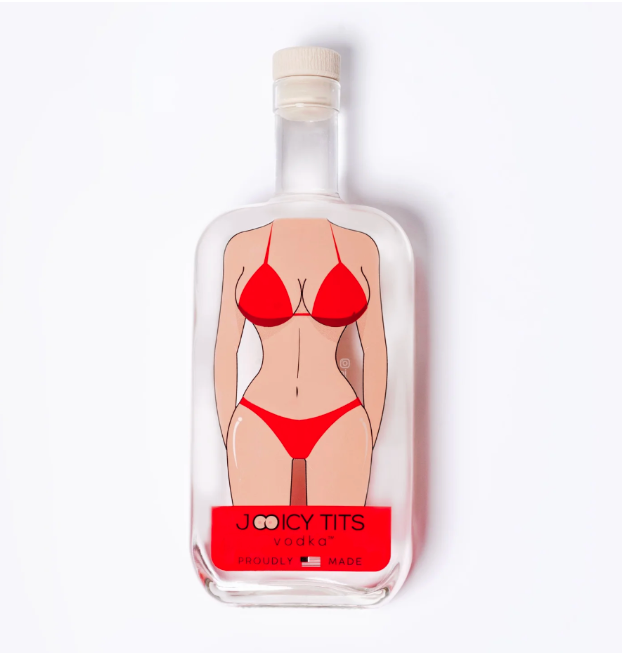
Want to learn more about how Jooicy Tits Vodka went from an idea to a small batch, gluten free craft vodka made in Fort Pierce? Explore Our Distillery Story and discover the people, the process, and the purpose behind every bottle.